ENJOY COMPLIMENTARY SHIPPING ON ALL ORDERS



CONTENTS:
165,00 د.إ
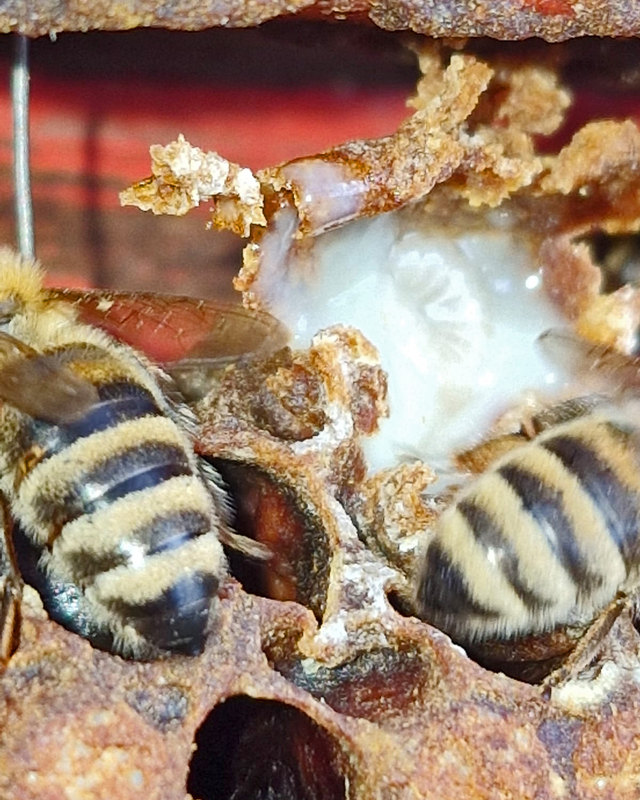
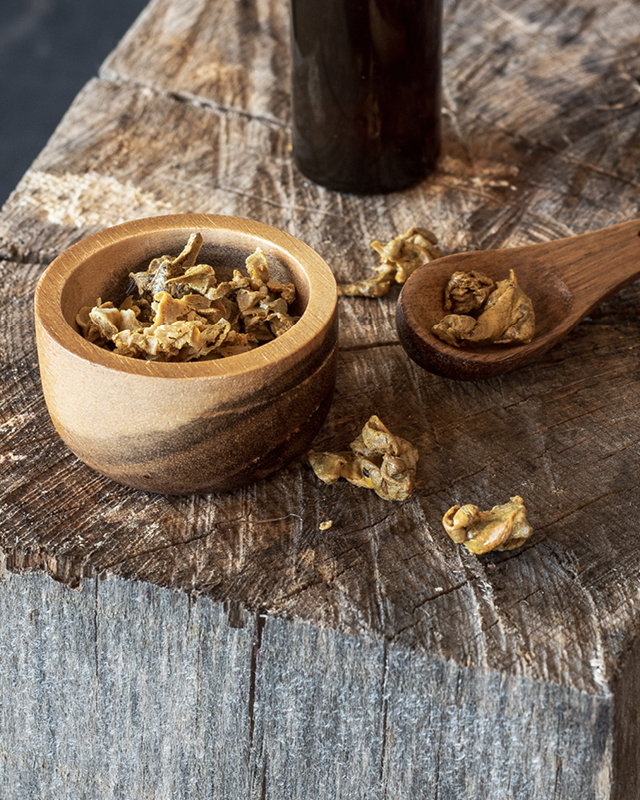
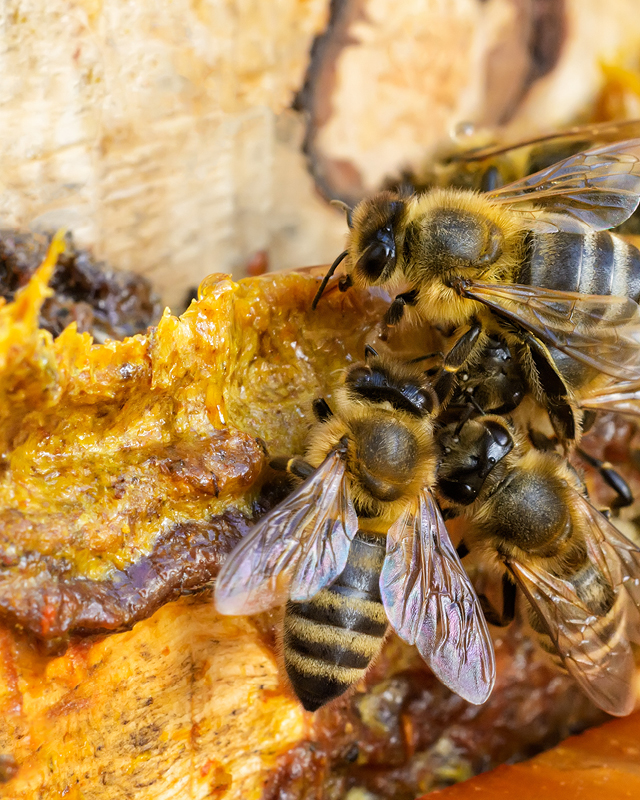
Propolis, often referred to as nature’s miracle, is one of the strongest natural protectors for the human body. This remarkable substance is composed of various plant resins that bees collect from the buds of poplar, birch, and other plants. To create propolis, bees combine these resins with secretions from their salivary glands and add wax, resulting in a sticky compound. The colour of propolis can range from green-yellow to dark brown, depending on its origin and age. It is adhesive at high temperatures but becomes brittle and crumbly when exposed to cold.
Chemical composition Propolis contains a rich array of components, including resins, balsams, wax, essential oils, and pollen. Through advanced physicochemical methods, researchers have identified over 60 different substances in propolis, with key compounds such as flavones, flavonoids, various organic acids, and aldehydes. Many medical reports prove propolis inhibits bacterial growth and can even destroy bacteria, accelerates wound healing and helps in treating inflammation.
Its antibiotic properties are particularly valuable, as they affect not only bacteria but also a wide range of viruses. Propolis is commonly used for conditions such as rheumatic diseases, immune system support, anaemia, respiratory tract ailments, oral cavity inflammation, toothaches, stomach lining inflammation, and various injuries and skin conditions. Additionally, its antioxidant properties make it a sought-after ingredient in the food, cosmetics, and pharmaceutical industries.
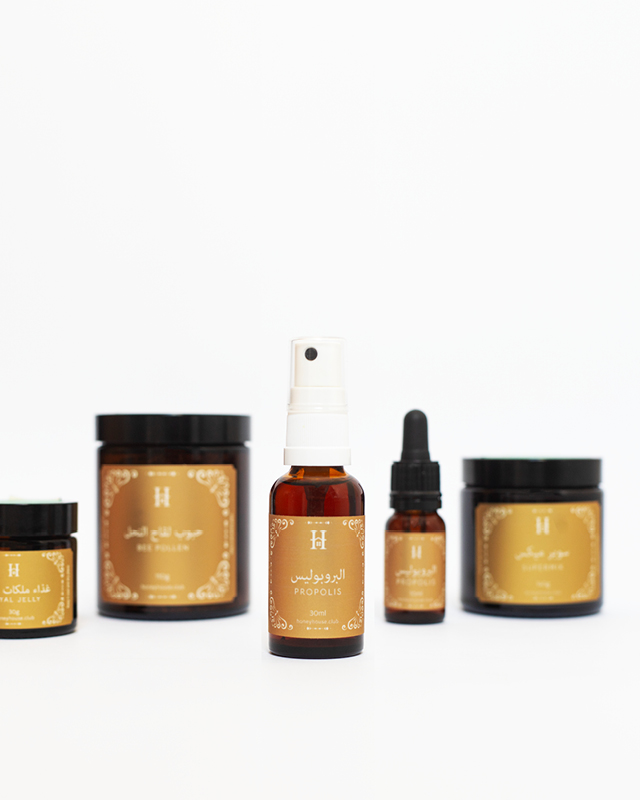
It is important to note that propolis harvested from the hive is not immediately usable. It must be properly processed with a strong alcohol solution before being utilized. Propolis can be found in various forms, including lubricants, alcoholic tinctures, sprays, and suppositories.
PURPOSE & USE
Propolis has been used in folk medicine since ancient times, dating back to before 300 BC. It is versatile, suitable for both
external and internal applications.
Topical use
Oral and peroral use
Propolis, often referred to as nature's miracle, is one of the strongest natural protectors for the human body. This remarkable substance is composed of various plant resins that bees collect from the buds of poplar, birch, and other plants. To create propolis, bees combine these resins with secretions from their salivary glands and add wax, resulting in a sticky compound. The colour of propolis can range from green-yellow to dark brown, depending on its origin and age. It is adhesive at high temperatures but becomes brittle and crumbly when exposed to cold. Chemical composition Propolis contains a rich array of components, including resins, balsams, wax, essential oils, and pollen. Through advanced physicochemical methods, researchers have identified over 60 different substances in propolis, with key compounds such as flavones, flavonoids, various organic acids, and aldehydes. Many medical reports prove propolis inhibits bacterial growth and can even destroy bacteria, accelerates wound healing and helps in treating inflammation. Its antibiotic properties are particularly valuable, as they affect not only bacteria but also a wide range of viruses. Propolis is commonly used for conditions such as rheumatic diseases, immune system support, anaemia, respiratory tract ailments, oral cavity inflammation, toothaches, stomach lining inflammation, and various injuries and skin conditions. Additionally, its antioxidant properties make it a sought-after ingredient in the food, cosmetics, and pharmaceutical industries. It is important to note that propolis harvested from the hive is not immediately usable. It must be properly processed with a strong alcohol solution before being utilized. Propolis can be found in various forms, including lubricants, alcoholic tinctures, sprays, and suppositories.
Propolis has been used in folk medicine since ancient times, dating back to before 300 BC. It is versatile, suitable for both
external and internal applications.
Topical use
Oral and peroral use